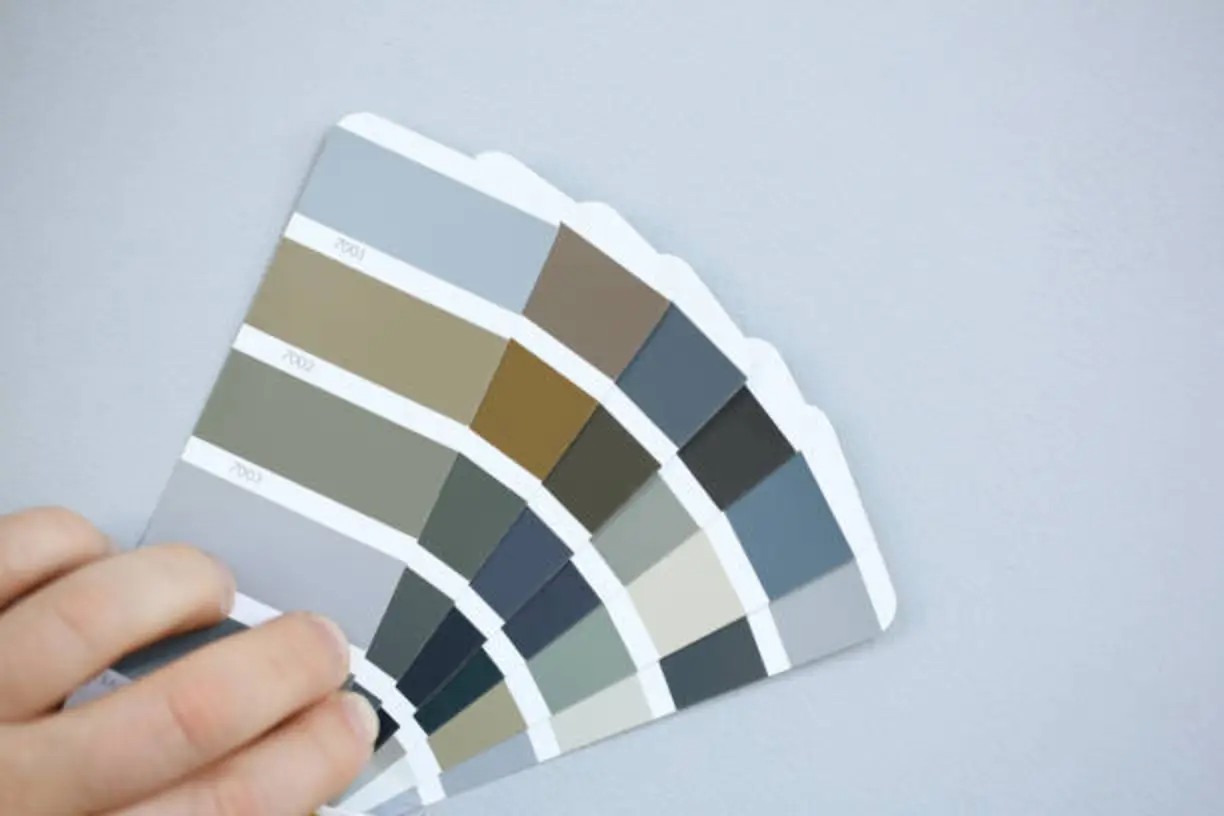

Why Color Trends Matter More on the Exterior Than the Interior
Interior color choices are relatively forgiving. If a wall color stops working for you, repainting a room is a manageable weekend project. Exterior repainting is a significantly larger investment in time and money, which means the exterior paint colors you choose need to work not just for right now but for the years ahead.
Understanding where color is trending gives you a better chance of making a choice that feels current without being so of-the-moment that it reads dated in three years. The exterior paint colors gaining traction in 2026 share some common characteristics they tend to be grounded in nature, they have enough depth to read well in different light conditions, and they work with architectural detail rather than flattening it.
Warm Whites and Off-Whites Are Replacing Cool Gray’s
The most significant shift in exterior paint colors in 2026 is the movement away from cool, blue-toned grays toward warmer whites and off-whites with yellow, beige, or greige undertones. This is not a return to the builder-grade cream colors of earlier decades. It is a more sophisticated warmth.
These exterior paint colors read differently depending on the light they are in, which is part of their appeal. In morning light, they lean warm. In overcast conditions they pull back toward a cleaner white. In evening light, they develop a softness that makes a home feel welcoming rather than stark.
Earthy Greens Are Having a Significant Moment
Sage, olive, moss, and hunter greens are showing up on homes in 2026 in a way that feels both fresh and deeply rooted. These exterior paint colors connect to the natural environment in a way that reads as intentional without being trendy in a surface-level way. A home painted in a well-chosen earthy green sit in its landscape rather than competing with it.
The range within the green family is broad enough that there is a version for almost every architectural style and setting. Lighter sages work beautifully on craftsman bungalows and cottage-style homes, particularly when paired with cream or warm white trim. Deeper olives and hunter greens read with confidence on larger homes with strong architectural profiles farmhouses, Victorians, and colonials where the depth of color emphasizes rather than overwhelms the form.
The critical consideration with exterior house paint colors in the green family is undertone. Greens that pull toward blue read cooler and can feel cold in lower light or shaded exposures. Greens with yellow or brown undertones stay warm across different light conditions and connect more naturally to landscape elements. Testing any green in the actual light conditions of your home’s exterior across a full day in different weather before committing to gallons is not optional with colors this nuanced.
Trim choices matter more with green than with neutral base colors. Warm white or cream trim softens earthy greens and creates a cohesive, traditional palette. Black trim against a deeper green produces a striking, more contemporary result. The trim decision is part of the color decision, and they should be made together rather than sequentially.
Deep Blues from Navy to Slate
Blue has been building as a significant exterior paint color choice for several years and in 2026 it has arrived at a level of mainstream confidence that makes it a credible choice for a wide range of home styles and settings. The blues generating the most interest are not bright or saturated. They are deep, considered blues navy, slate, denim, and midnight that have enough Gray in them to read as sophisticated rather than primary.
A deep navy or slate blue home makes a strong architectural statement. It is a color choice that signals confidence and creates an immediate sense of presence on the street. These colors work particularly well on homes with clean lines where the architecture itself is the feature modern farmhouses, contemporary colonials, new construction with strong geometric profiles.
The challenge with deep blues is that they absorb heat and they show dust, pollen, and water mineral deposits more visibly than lighter colours. Climate considerations matter here. In hot climates where solar heat gain on exterior surfaces affects interior cooling costs, deep dark colors on sun-facing walls are worth thinking through carefully. The best exterior paint products formulated for heat-reflective performance help, but the fundamental physics of dark colors in high-sun environments do not disappear entirely.
Trim against deep blue is most done in crisp white or off-white, which provides the contrast that lets the blue read clearly and prevents the exterior from feeling heavy. Black shutters and hardware are a natural complement to deeper blues and add a polish to the overall presentation.
Warm Terracotta and Clay Tones
One of the more distinctive shifts in exterior house paint colors in 2026 is the emergence of terracotta, clay, and warm rust tones as genuine options for homes outside of the Southwest markets where they have traditionally been at home. These colors ranging from light blush clay to rich saturated terracotta bring a warmth and earthiness to home exteriors that is unlike anything in the neutral or cool-toned palette and is generating real interest in markets where it was rarely seen before.
These colors work best on homes with Mediterranean, Spanish colonial, or contemporary architectural profiles where the warmth of the color connects to the aesthetic logic of the building. On a traditional New England colonial or a craftsman bungalow, terracotta can feel incongruous. On a stucco exterior, a home with clay tile roofing, or a contemporary home with clean flat walls, it can be genuinely beautiful.
The tonal range within this family is significant. Lighter clay and blush tones are accessible and versatile, working with more architectural styles and in more geographic contexts than the deeper, more saturated terracotta’s. If this color family appeals but feels like a commitment, starting at the lighter end of the range is a way to access the warmth and character of these tones with more room for error in application and context.
Charcoal and Deep Gray Done Differently
Gray is not gone from exterior house paint colors in 2026. It has shifted. The cool, blue-toned greys that dominated the last decade are being replaced by deeper, warmer charcoals and near-blacks that have more character and more architectural weight. These are not medium greys hedging between light and dark. They are committed deep tones that make a clear statement.
The same heat considerations that apply to deep blues apply to deep charcoals. Dark colors on south and west-facing walls in high-sun climates absorb significantly more heat than lighter alternatives. This is worth factoring into the color decision for those exposures, and using a quality exterior house paint formulated with heat-reflective technology reduces though does not eliminate that effect.
Black as a Full Exterior Color
True black as a primary exterior paint color has moved from an architectural curiosity to a genuine trend in 2026. It is a colour decision that requires confidence and a home whose architecture can carry it, but when those conditions are met the result is among the most striking available.
Black exteriors work best on homes with strong, clean architectural profiles contemporary, modern farmhouse, and minimalist designs where the form itself is the feature and the color amplifies rather than decorates it. On homes with complex or ornate architectural detail, black can visually flatten the profile and lose the detail that defines the style.
The practical considerations for black exterior house paint are significant. Heat absorption is the most obvious a black south-facing wall in a hot climate creates real thermal management challenges. Fading is faster with deep pigmented colors, making paint quality particularly important. Dirt and biological growth are more visible on dark surfaces, making maintenance more frequent.
When black is the right choice for the right home, the effect is undeniable. A black home with warm wood accents and white window frames is one of the most visually compelling combinations in 2026 exterior color. The commitment the color requires is exactly what makes it work when the conditions are right.
Choosing the Right Color for Your Specific Home
Understanding the trends is the starting point. Translating them into a color choice that works for your specific home requires thinking through factors that are particular to your situation.
Architectural Style
Every architectural style has a color logic that either supports or works against it. Colors that are beautiful on a craftsman bungalow can be wrong for a colonial. The starting point for any exterior paint colors decision is understanding what colors are consistent with the architectural vocabulary of the home and which ones create dissonance.
Fixed Elements
The colours of your roof, stone or brick elements, concrete flatwork, and any other fixed exterior elements that are not being changed constrain your colour choices in ways that are easy to underestimate. A warm brown roof does not pair naturally with a cool blue-grey body color. Red brick does not work with every trim color. Pulling a color swatch from the fixed elements and finding body and trim colors that work with rather than against them is the methodology that prevents the most common color combination mistakes.
Light Exposure
North-facing elevations in shade read color very differently than south-facing elevations in full sun. Colors that look warm and rich in a sunny showroom can look dark and heavy on a shaded north wall. Always evaluate color samples on the actual surface they will be applied to, in the actual light conditions of that surface, across a full day and in different weather before making a final decision.
The Neighborhood Context
Your home exists in a neighborhood context that has its own color patterns and conventions. That context does not dictate your choice, but being aware of it prevents choices that feel dramatically out of place. A color that complements the surrounding environment tends to read as confident and intentional. A color that clashes with every neighboring home on the block reads as a mistake even when the individual color choice is objectively good.
Why Yes Paint Makes Finding the Right Exterior Paint Colors Easier
Finding the right exterior paint colors when you are navigating hundreds of options across different undertones, sheens, and formulations takes more time than most homeowners have available. Yes, Paint simplifies the entire process by giving you direct access to quality exterior house paint colors products and the expert guidance to translate the color direction you have in mind into a specific product that performs as well as it looks.
Whether you are drawn to the earthy greens and warm whites that are defining 2026 curb appeal, exploring deep blues and charcoals for a home with strong architectural bones, or looking for guidance on how to match a body color to your fixed exterior elements without making an expensive mistake, Yes Paint works with homeowners to find the right color and the right product for the specific home and the specific conditions it sits in. You get honest guidance on undertones and light behavior, clear recommendations on primers and application, and access to exterior house paint colors products that deliver the depth, durability, and consistency that make a color look the way you intended it to across years rather than just in the first season.
For anyone who wants to get the exterior color right the first time rather than living with a choice that is almost right for the next several years, Yes Paint is the straightforward starting point most homeowners wish they had found before they committed to a color based on a small chip in a fluorescent-lit store.
Final Thought
The exterior paint colors gaining traction in 2026 share something important in common. They are grounded, considered, and connected to materials and environments in a way that makes them feel right rather than just current. Warm whites replacing cold greys. Earthy greens connecting homes to their landscapes. Deep blues and charcoals making confident architectural statements. Terracotta’s bringing warmth to markets where they were rarely seen before.
The homes that get exterior color right are the ones where the color was chosen with the architecture, the light, the fixed elements, and the neighborhood context all considered together rather than in isolation. A color that works in all those dimensions does not just boost curb appeal in the year it is painted. It makes the home look better for every year the paint holds up.
That outcome starts with the right color decision and the right product to deliver it. Both of those resources are available at Yes Paint.
Get the color right the first time and make it last.
Find Your Exterior Paint Colors at Yes Paint → yespaint.com